
Company
Payer is licensed by the Maldives Monetary Authority
On 17 March 2022 the MMA issued Payer an electronic money issuance licence under the National Payment System Act, six years after we started asking for one.
Haris ·
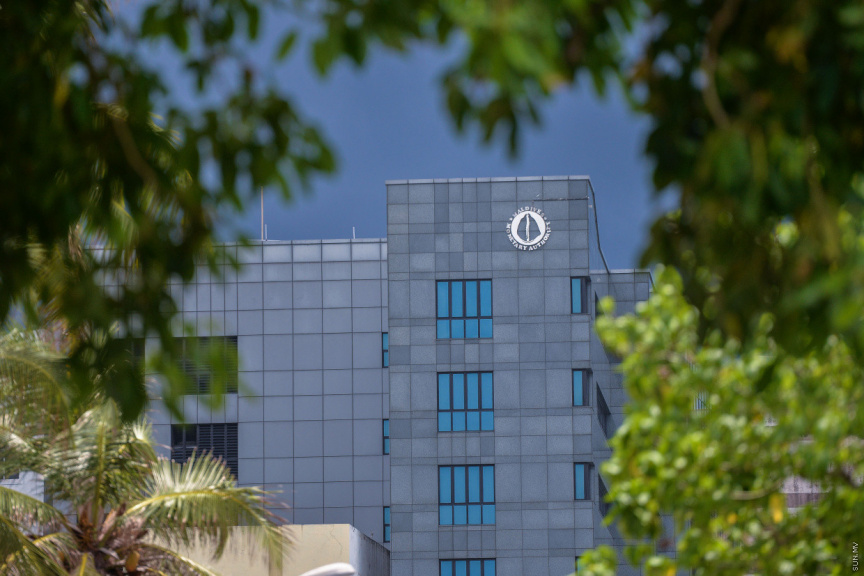
Today the Maldives Monetary Authority issued Payer Pvt Ltd an electronic money issuance licence under the National Payment System Act. Four licences went out on the same day: acquiring licences to VTT Finance and Global Payments Asia-Pacific Maldives, and electronic money issuance licences to us and to FahiPay.
For most companies a licence is paperwork. For us it is the end of a six year argument.
Why this took so long
When we started Payer in 2016, there was no licence to apply for. The country had no payments law, which sounds like freedom and is the opposite of it. Every conversation with a bank or a provider ended at the same place: who exactly are you, and who says you are allowed to hold someone else's money? We had no good answer, because nobody did. There was no register to be on and no regulator whose job it was to say yes.
So we built anyway, and we spent years explaining ourselves one institution at a time. We wrote about this in our 2020 post: the hard part of payments here was never the software, it was being a new kind of company in a system that had no category for us.
The National Payment System Act changed that. It gave the MMA the authority to license payment service providers, and in December 2021 applications opened for the first time. We applied, and today the licence came through.
What an e-money licence actually means
Electronic money issuance is the formal name for what a Payer wallet is. When you top up, that balance is a claim on us, and now that claim sits inside a regulatory framework: capital requirements, safeguarding of customer funds, governance, reporting and supervision by the MMA. The rules were always what we held ourselves to. The difference is that you no longer have to take our word for it.
Practically, three things change.
Your money is protected by rule, not by promise. Customer funds are safeguarded under conditions the regulator sets and checks, separate from the money that runs the company.
Partners have something to verify. For six years the answer to "who regulates you" was a long explanation. It is now a line in a public register, and that shortens every conversation with a bank, a biller and a merchant who was waiting for exactly this.
We are supervised. Being examined is not a cost we resent. A payments company that nobody audits is asking its customers for a great deal of trust for free.
What does not change
Nothing about your wallet, your balance or your bills changes today. The app works as it did yesterday. If anything, you should expect it to get less interesting for a while, because a licence is the beginning of the boring work: the integrations we could never finish, the partners who could never sign, the products that were always blocked at the same question.
We are also not the only one licensed today, and that is worth saying plainly. Four licensed providers is the start of an actual payments industry in the Maldives, with rules that apply to everyone in it. That is better for us than being the only ones in the room.
Thank you to the MMA for the work behind the Act and the licensing framework, and thank you to everyone who kept using Payer through the years when we could not answer the obvious question.
Now we get to build.